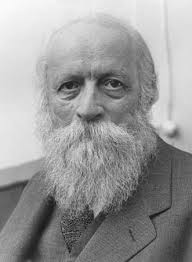
 Martin Buber differentiates between the I/Thou and the I/It relationship. The I/It relationship objectifies what is presented as ‘otherness’ to the I, while the I/Thou relationship presents what is other in the form of a meeting between those engage in a dialogue. The I/Thou addresses the other, while the I/It expresses the other. Buber’s critique of Spinoza is intimately tied in to this differentiation. Spinoza ends up interpreting reality as a philosopher because ultimately being is reduced to being objectified and empirically examined in his analysis. The distinction can then be made between the philosopher whose relationship with being can be described as I/It, and the prophet whose relationship is one of I/Thou. The one tradition giving rise to reason as the final arbiter of reality, while the other tradition gives rise to revelation as the final arbiter. So how does reason and revelation stand in relationship to each other? Can the philosopher and the prophet find common ground? Can reason and revelation be reconciled?
- Comment
- Reblog
-
Subscribe
Subscribed
Already have a WordPress.com account? Log in now.
 The philosophy of Darryl Naranjit